


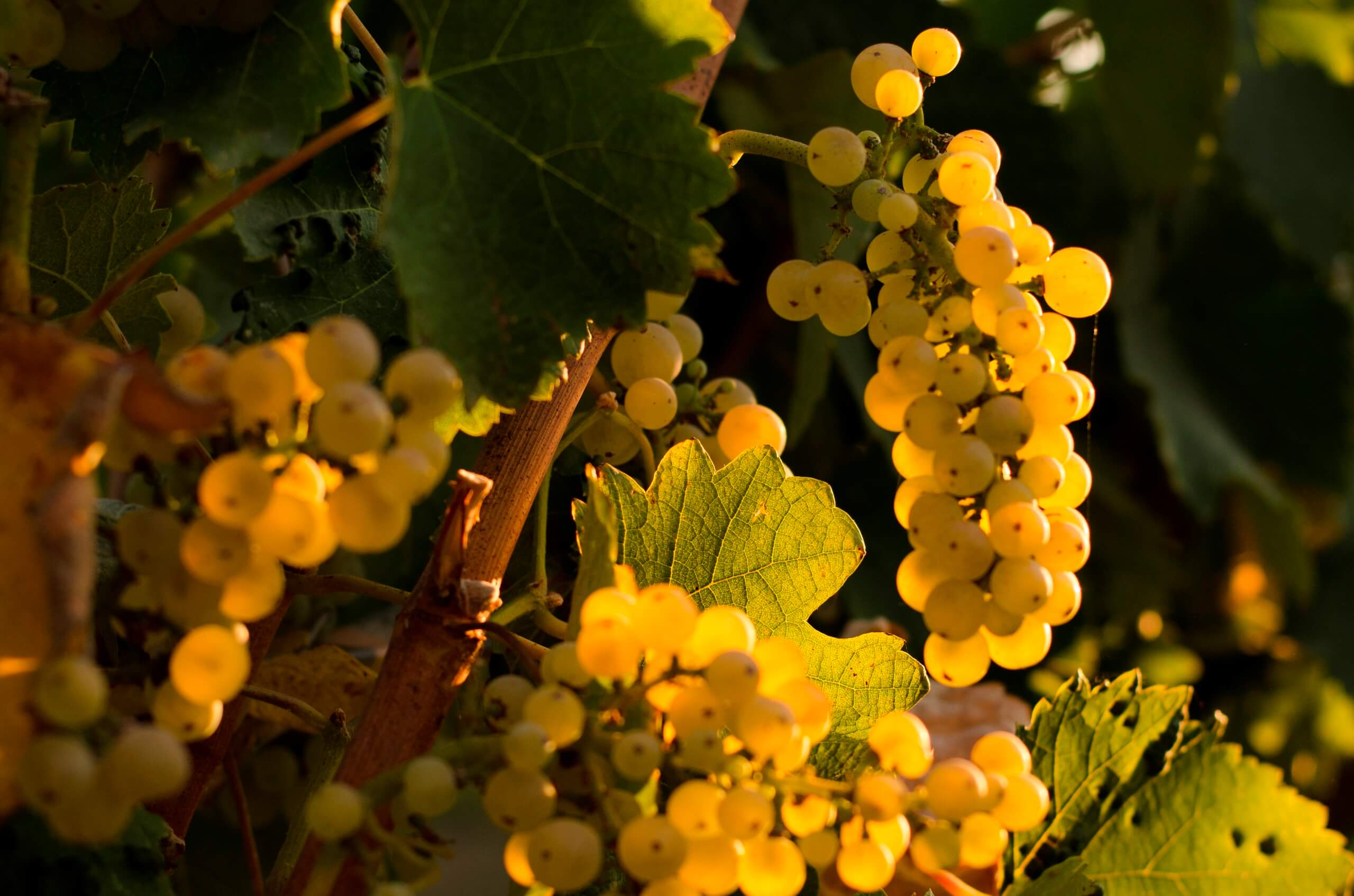
Υεια μας! So cheers!
Greece is one of the cradles of winemaking. Wine was produced on Crete and other parts of ancient Hellas as early as 3000 BC. The Minoans and Mycenaeans had a developed wine trade, exporting it even to Egypt and the Middle East. Wine in Greece is not just a beverage but also a religious and cultural symbol. As Martin Luther King once said, “Beer is made by men. Wine was created by god.” No Dionysia, or special mysteries honoring the god of wine and ecstasy, Dionysus, could exist without wine, nor could symposiums, or philosophical and social feasts during which watered-down wine was drunk, discussions took place, and songs were sung. The Greeks founded colonies throughout the Mediterranean basin (e.g., in Italy, Gaul, and Sicily), where they established a viticultural culture that later influenced the development of wine in Rome and beyond in Europe. During the Ottoman rule (from the 15th century), production declined. According to Islamic doctrine, alcohol consumption was forbidden, so its production also ceased. However, Greeks continued to make wine for domestic and religious purposes. This, of course, applied to areas occupied by the Turks. On the Ionian Islands, which were under Venetian rule at the time, the wine industry flourished. After regaining independence (19th century), Greece slowly rebuilt its winemaking tradition. To this day, it produces both traditional and modern premium wines, often from original local grape varieties. Currently, Greek wines are gaining recognition worldwide. They are unique, often from vines grown in extreme conditions, such as the volcanic soil of Santorini. This unique character of the wines is preserved due to… phylloxera – a microscopic insect from the aphid family that attacks the roots of vines, causing them to rot. In the 19th century, phylloxera was brought to Europe from North America and destroyed 70% of European vineyards. It also occurred in Greece, but it didn’t wreak the same devastation as in France, for example. Thanks to isolation (vineyards located on islands) and, in some regions, the type of soil (volcanic, rocky) that was inhospitable to the parasite, many of the old, original vines were preserved. Thanks to this, islands like Santorini and Zakynthos escaped the epidemic, and many old vines grow on their own roots, a rare phenomenon in Europe. Today, Greece has over 300 grape varieties, making the selection quite extensive. So what’s worth choosing? Retsina wine is a wine curiosity, produced exclusively in Greece. If you’d like to taste the taste of forest in a bottle, you should definitely grab a glass of retsina. This distinctive flavor comes from the resin added during the production process. Where does this unusual addition come from? Its history dates back to ancient times, where resin was used to seal amphorae in which wine was stored. This way, it permeated the drink and gave it a unique aroma. Retsina pairs perfectly with Greek mezze. However, there’s one thing to remember: retsina must be well chilled before serving! This is when it tastes its best. While Poles often mix retsina with, for example, sprite to soften its resinous flavor, Greeks consider this a desecration of the drink. 😊 Zakynthos also has its own winemaking traditions, although the wines produced on the island aren’t as widely known as those from, say, Santorini or the Peloponnese. However, it’s definitely worth trying the local wines, as they are authentic, often artisanal, and have something unique about them. The island’s signature wine is Verdea – a traditional white wine whose name derives from the Italian word verde, meaning green. Verde wines are a type of wine produced primarily in the Minho region in northwestern Portugal. Their name refers not only to their color but also to the young age of the wines, which are often consumed within a year of their production. Green wines are characterized by their light, refreshing acidity and low alcohol content, often in the 8-11% alcohol range. The local variety is produced from a blend of local grape varieties, such as Skiadopoulo, Pavlos, Robola, and Goustolidi. It is often aromatic, full-bodied, sometimes slightly oxidized, and has high acidity—ideal for local dishes. The second flagship wine product of Zakynthos is Avgoustiatis—the island’s red treasure. This indigenous red grape variety produces elegant, slightly spicy, fruity, and with soft tannins. It can be drunk young, but its better versions can also be aged. Robola, which produces fresh, citrusy, and mineral wines perfect for summer, is also grown here on Zante, although better known from Kefalonia.
In tavernas, it’s worth ordering the so-called σπιτιού κρασί, or house wine. Many families in Zakynthos make their own wine, which, although unlabeled and stored in cardboard packaging and unattractive corked bottles, delights with its authenticity. There’s nothing better on hot summer days than a well-chilled homemade specialty.
Local wineries:
Grampsas Winery (Lagopodo)
• A family-run, modern winery producing Verdea and Avgoustiatis.
• You can visit, taste, and purchase wines on-site.
• Beautiful views and very hospitable service!
Callinico Winery (Arkadi)
• A traditional winery with a wine museum and a wide selection of wines – both table wines and more sophisticated ones.
• They also have Verdea and various local blends. Solomos Wines (Kydoni, Bochali)
• Interesting wines, a large selection of sweet wines, sometimes with a modern twist.
• The oldest winery on the island, founded in 1824.
Goumas Winery (Maries)
• Art and wine, icon painting studio and boutique winery.
• Wide selection of local wines.
Oenolpi (Machairado)
• Production of high-quality wines.


